
Salesforce doesn’t guess, and that’s the whole point, you see.
When a Lead meets a condition, it routes to a specific queue.
When a field is required, the record simply won’t save.
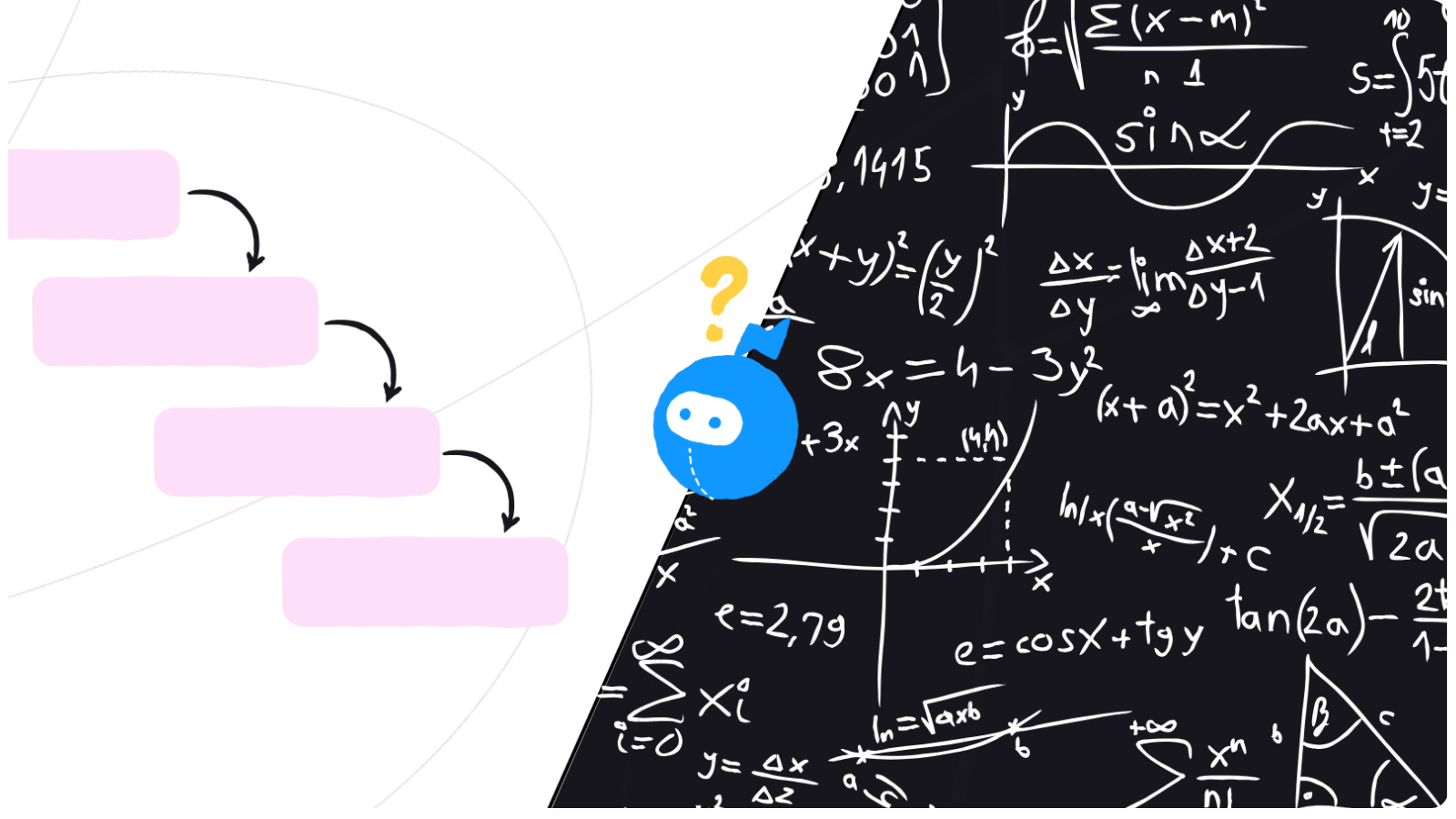
When a Flow is configured to run after an update, it runs every single time that condition is met — no interpretation, no ambiguity, no vibes. The same input produces the same output, consistently.
That determinism is what makes Salesforce trustworthy as a system of record. It’s also why organizations layer in so much operational logic over time.
Validation rules, triggers, flows, assignment logic — each one exists to preserve predictability as the business scales. This is the reason revenue operations can function at all.
AI systems work very, very differently.
They don’t execute predefined rules. They infer intent, synthesize context, and predict the most likely correct response based on probabilities.
Ask an AI to summarize an opportunity and it may do an excellent job. Ask it again tomorrow and you’ll likely get a slightly different answer. That variability isn’t a flaw in the system — it’s just how probabilistic systems work.
This is also what makes AI powerful.
Probabilistic systems excel in spaces of ambiguity. They can reason across incomplete information and generate useful output where strict rules would fail. But ambiguity is the opposite of how Salesforce enforces trust. And that’s where the tension starts to show.
Most Salesforce AI initiatives fail because the AI is operating without a reliable understanding of the system it’s acting inside, not because it's "wrong," or "dumb."
We see the same breakage patterns over and over again. An AI agent updates a field without realizing it triggers five downstream automations. A copilot recommends actions based on fields whose definitions quietly changed years ago. A model reasons about pipeline stages differently than RevOps does in practice. Automation breaks because an AI-filled value looks valid, but violates the hidden rules embedded deep in the org.

Importantly: this is not the result of hallucination. It’s AI doing its best in an environment where the operational truth is fragmented, undocumented, and drifting. The AI isn’t untrustworthy — the system context it's using to make those probability-based calls is.
Metadata isn’t just labels and it isn’t documentation theater. No, it’s the operational truth of how any given Salesforce org actually behaves.
Metadata encodes what fields really mean, which automations fire and when, how objects depend on one another, and which changes are safe versus catastrophic. In deterministic systems, that knowledge often lives implicitly — in configs, in admin folklore, in “please don’t touch that” warnings.
Probabilistic AI can’t work with implicit knowledge. It needs that contract to be explicit. Without it, AI is forced to guess. And guessing inside a production CRM is how trust erodes fast.
This is why AI safety in Salesforce is rarely a model problem. It’s a metadata clarity problem.
Most AI readiness checklists focus on surface-level concerns: data volume, permissions, prompt design, or which copilot to deploy. They skip the hard part.
True AI readiness means you can understand how a field is used before an agent updates it. You can trace downstream impact before AI takes action. You can detect drift when metadata changes quietly undermine existing logic. And you can explain, with confidence, why the system behaves the way it does.
In other words, your deterministic foundation is strong enough to support probabilistic behavior on top of it. That’s governed speed—not AI chaos.
Sweep exists because AI didn’t break Salesforce. Metadata entropy did.
Sweep provides the agentic layer for Salesforce metadata: making dependencies visible, documenting meaning instead of just structure, detecting drift before it causes damage, and giving AI agents the context they need to act safely.
We don’t make Salesforce probabilistic — that wouldn't be good for anybody. Instead, we make AI accountable to deterministic systems.
Because the future will be won by those who leverage AI that finally understands it all.