Understand complexSalesforce environmentsinstantly
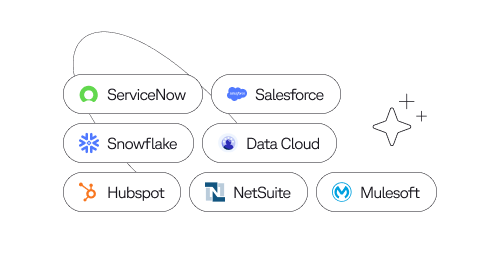
Sweep’s agentic layer connects operational systems and data platforms — so teams can understand how data flows through the business and activate it in real workflows.
Trusted by partners like you



Why Salesforce implementation work slows down
Years of customization create layers of automation, integrations, and configuration that are difficult to understand quickly. Even experienced architects must spend weeks reverse engineering system logic before making changes.
This complexity slows projects, increases risk, and makes it difficult to accurately scope transformation work.
Discovery takes weeks instead of days
Consulting teams often begin projects with manual analysis of metadata, automation, and configuration. Understanding how a system actually operates can take weeks of investigation.
Routing Hidden dependencies create deployment risk ownership drift over time
Configuration changes can affect automation, integrations, and reporting logic across the system. Without visibility into dependencies, partners risk introducing regressions during deployment.
System complexity makes scoping difficult
Legacy automation, duplicate configuration, and undocumented logic make it difficult to estimate project scope and effort accurately.
How Partners and System Integrators use Sweep
Sweep helps consulting teams understand client environments faster, reduce project risk, and deliver complex transformations with confidence.
Accelerate discovery with live system context
Salesforce implementations often begin with manual system investigation.
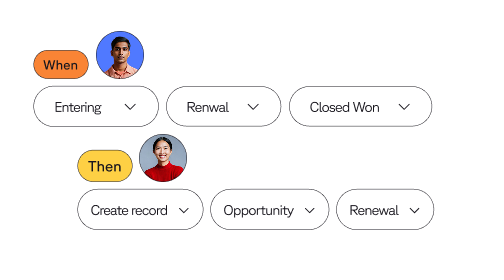
Sweep automatically maps objects, automation, and dependencies so consulting teams can understand environments immediately.
Consultants can:
- Explore metadata relationships and system architecture
- Identify automation logic affecting business processes
- Document configuration and system structure quickly
Understand impact before making changes
Configuration updates can trigger automation, integrations, and downstream logic across the system.
Sweep surfaces these dependencies so partners can evaluate the impact of changes before deploying them.
Project teams can:
- Identify automation triggered by configuration updates
- Detect dependencies across flows, Apex, validation rules, and integrations
- Evaluate deployment risk before releasing changes
Understand inherited environments faster
Many clients operate Salesforce environments that have evolved over years of customization.
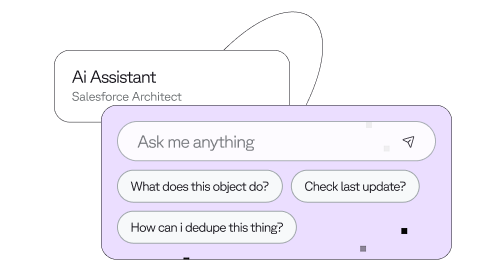
Sweep provides a structured view of configuration and automation so consultants can quickly understand system behavior.
Teams can:
- Identify legacy automation and outdated configuration
- Understand how data and processes move across the system
- Reduce reliance on tribal knowledge during implementations
Modernize systems without breaking production
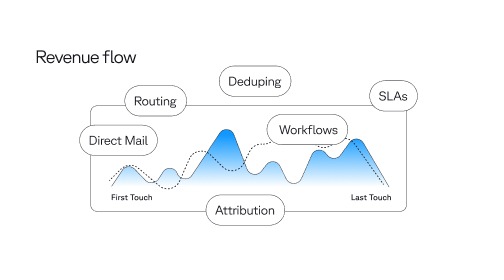
Large transformation initiatives often involve refactoring legacy automation, data models, and integrations.
Sweep exposes the dependencies behind these systems so teams can safely modernize architecture.
Consulting teams can:
- Identify technical debt and redundant configuration
- Plan system refactoring with full dependency awareness
- Deliver modernization projects with reduced operational risk
Support multi-org architecture work
Large organizations often operate multiple Salesforce orgs due to acquisitions, regional operations, or business unit separation.
Sweep maps relationships across systems and orgs so consulting teams can evaluate architecture at the enterprise level.
Teams can:
- Understand how systems interact across org boundaries
- Identify duplication and architectural overlap
- Plan consolidation or integration strategies safely
Prepare client systems for AI and data modernization
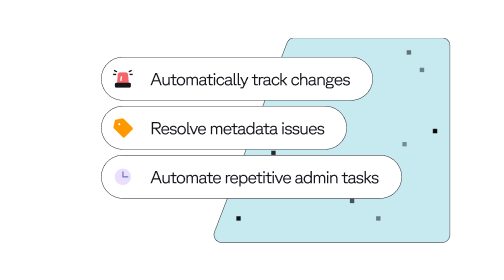
Many transformation initiatives include AI adoption, Data Cloud implementations, or data warehouse integrations.
Sweep creates the metadata intelligence layer required to support these initiatives.
Partners can:
- Provide system context for AI and analytics initiatives
- Align operational systems with data platforms
- Prepare environments for modern data architectures
How it works
Connect your system
Sweep continuously ingests metadata from Salesforce and connected platforms to build a unified metadata graph of your environment.
Contextualize automatically
Dependencies, automation logic, and relationships are mapped into a connected model of system behavior.
Reason with Agents
Consulting teams can analyze system architecture, evaluate change impact, and generate documentation using real metadata context.
Customer stories

Challenge:
Cybrary inherited a complex LeanData routing architecture with hundreds of assignment rules and limited visibility into routing behavior.
Implementation:
Sweep centralized routing and embedded deduplication into the assignment process.
Results:
- Lead response time: 19.4 minutes → 33 seconds
- Routing deployed in one week
- 300% faster implementation
“Sweep’s UI made it clear what assignments were going where. Now iterating and making changes is much easier.”



Challenge:
Cognitiv discovered that 16% of Accounts were duplicates, which distorted reporting and sales ownership.
Implementation:
Sweep implemented real-time deduplication and operational alerts to enforce data integrity.
Results:
- 16% duplicate Accounts consolidated
- 20%+ increase in opportunity updates
- 5% reduction in days between sales stages
“Projects that would take a week across multiple stakeholders now take half a day.”



Challenge:
Esper relied on LeanData, Flow, and consultants to manage routing and automation.
Implementation:
Sweep consolidated routing and automation into one operational layer.
Results:
- 33% faster automation builds
- 63% reduction in project scoping time
- 25% cost reduction by replacing multiple operational tools
“Sweep lets a lean team adapt Salesforce to evolving GTM strategies without consultants.”


Ready to run revenue operations like infrastructure?
You don’t need more headcount to scale revenue. You need routing that holds, data that stays clean, automation that deploys safely, and systems your team can trust.
Sweep turns Salesforce into the operational engine behind your revenue systems.